

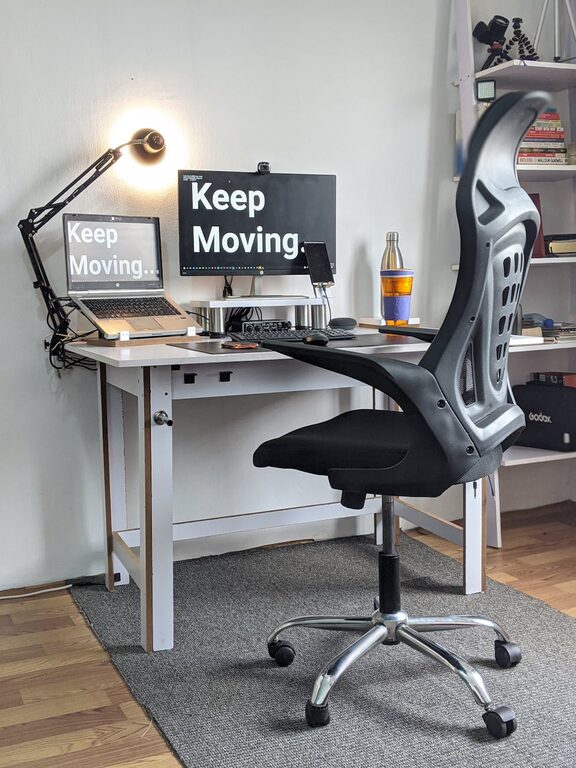
Creating a well-organized home office is essential for maintaining productivity and comfort throughout your workday. Whether you’re working remotely full-time or occasionally catching up on tasks, your workspace can greatly influence your efficiency and mood. In this post, we’ll explore effective tips for organizing your home office, helping you create a space that supports focus, reduces stress, and enhances comfort.
Why Organizing Your Home Office Matters
A cluttered and disorganized space can lead to distractions, wasted time, and physical discomfort. When your office is neat and thoughtfully arranged, it becomes easier to find what you need, stay focused on tasks, and maintain a positive mindset. Plus, a comfortable workspace helps prevent strain and fatigue, which can impact your overall well-being.
Step 1: Choose the Right Location
Consider Lighting and Noise
Select a spot in your home with good natural light if possible. Natural light can boost your mood and reduce eye strain. Avoid areas with excessive noise or distractions. If needed, use noise-canceling headphones or room dividers to create a quieter environment.
Space and Layout
Make sure your workspace has enough room for your desk and chair, plus storage and any equipment you need. Avoid cramped spaces that might make you feel confined or uncomfortable.
Step 2: Declutter and Prioritize Essentials
Clear Unnecessary Items
Start by removing anything that doesn’t belong in your office or that you rarely use. This includes outdated papers, old electronics, or personal items that distract rather than inspire.
Keep Must-Haves Within Reach
Identify the tools and supplies you use every day and arrange them within easy reach. This keeps your workflow smooth without having to constantly get up or search around.
Step 3: Organize Your Desk Efficiently
Desk Surface
Keep the surface of your desk as clear as possible. Only keep essential items like your computer, a notebook, pen holder, and perhaps a water bottle or plant.
Cable Management
Use cable clips, sleeves, or ties to keep cords tidy and out of the way. This not only looks cleaner but also reduces the risk of tripping or accidental unplugging.
Step 4: Use Storage Solutions Wisely
Drawers and Shelves
Make use of drawers for small items like stationery, chargers, and documents. Label drawers if needed, so you can quickly locate items.
Shelving units or wall-mounted shelves can hold books, binders, or decorative objects without taking up desk space.
Organizers and Bins
Desk organizers and small bins help separate and categorize supplies. This prevents mixing up items and keeps everything orderly.
Step 5: Personalize Thoughtfully
Adding personal touches can make your office inviting and inspiring, but avoid clutter. A few framed photos, a favorite quote, or a small plant can brighten your space without overwhelming it.
Step 6: Optimize Ergonomics for Comfort
Chair and Desk Height
Invest in an adjustable chair that supports your back and allows your feet to rest flat on the floor. Your desk should be at a height where your elbows are bent at about 90 degrees when typing.
Monitor Placement
Position your computer monitor at eye level and about an arm’s length away. This reduces neck strain and helps maintain good posture.
Lighting
If natural light is limited, use a quality desk lamp that provides sufficient illumination without glare.
Step 7: Maintain Your Organized Space
Set aside a few minutes at the end of each day or week to tidy up. Regular maintenance prevents clutter buildup and keeps your office ready for work.
Additional Tips for Boosting Productivity
– Use a Planner or Digital Calendar: Keep track of deadlines, appointments, and goals to stay organized.
– Incorporate Break Times: Schedule short breaks to stretch and refresh your mind.
– Limit Distractions: Turn off unnecessary notifications and create boundaries with family or roommates during work hours.
– Create Zones: If possible, divide your space into zones for different activities like computer work, reading, and phone calls.
Conclusion
Organizing your home office is a key step toward enhancing both your productivity and comfort. By selecting an ideal location, decluttering, optimizing your desk and storage, and focusing on ergonomics, you can design a workspace that supports your best work. Remember, a well-organized office is not only about tidiness but also about creating a space that inspires you and helps maintain your focus throughout the day.
Start with small changes today and enjoy the positive impact of a thoughtfully arranged workspace!